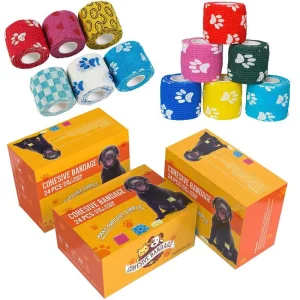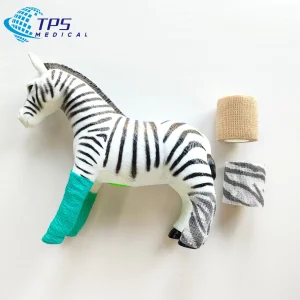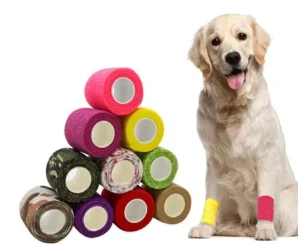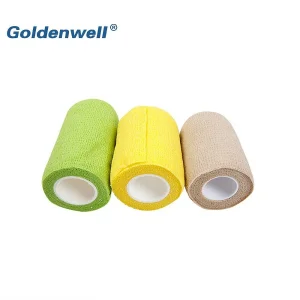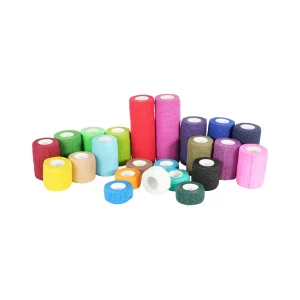
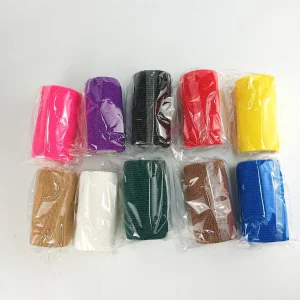
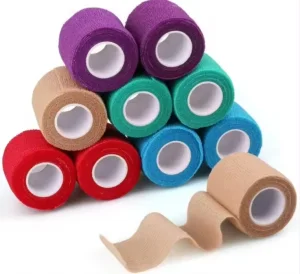
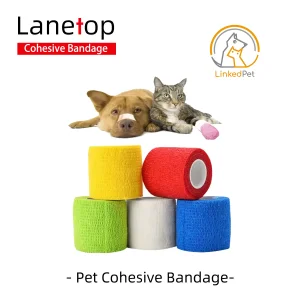
The Democratic Republic of the Congo (DR Congo) represents one of the fastest-growing geographical regions for medical and agricultural imports in Central Africa. As public healthcare infrastructure transitions toward modernized emergency responses and professional wound care, the demand for high-performance self-adhesive cohesive wraps has surged. This growth is catalyzed by critical supply gaps across major hubs, including the capital city of Kinshasa, the mining-heavy Katanga province (Lubumbashi, Kolwezi), and the agricultural and veterinary sectors in Kivu.
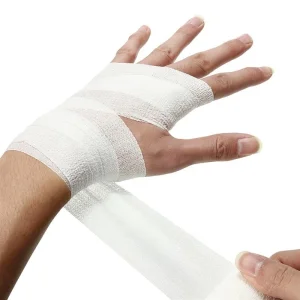
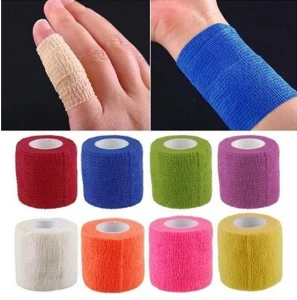
A key macroeconomic factor in DR Congo is the prevalence of tropical, high-humidity, and high-temperature conditions. Standard zinc-oxide medical tapes and adhesive plasters frequently lose adhesion and slide when exposed to heat and sweat. Conversely, cohesive self-adhesive wraps utilize a specialized adhesive coating that adheres exclusively to itself, rather than skin or hair. This ensures structural integrity, joint support, and sterile wound security despite the region's climatic challenges. Furthermore, our non-woven and cotton cohesive wraps allow optimal skin respiration, minimizing secondary dermal infections and skin maceration in warm humid environments.
The mining sector in the Lualaba and Katanga provinces requires heavy-duty first aid kits. Self-adhesive bandages provide rapid compression for occupational physical trauma without needing metallic clips or pins.
Humanitarian operations in the eastern regions (Goma, Bukavu) prioritize cost-effective, versatile, and sterile packaging. Our cohesive wraps adhere to strict ISO and CE standards required for NGO supply chains.
Unlike traditional glue-based wraps that melt or crystallize under high temperatures, our hot-melt synthetic cohesive compounds remain chemically stable up to 50°C.
For procurement officers, regional distributors, and hospital directors in the DR Congo, purchasing medical consumables is a balance between regulatory compliance, transit durability, and price-per-unit metrics. We operate as an end-to-end manufacturer and exporter, streamlining the complex supply chain dynamics associated with Central African shipping.
Our business model focuses on custom manufacturing (OEM/ODM), allowing local brands in Kinshasa or Goma to establish their own veterinary or sports-wrap lines. Every batch of cohesive bandages shipped to the Congo is manufactured under ISO 13485:2016 Medical Devices Quality Management Systems and carries CE and FDA declarations. This is critical for customs clearance via local administrative divisions, including the Office Congolais de Contrôle (OCC), which demands rigid certificate matching before issuing import clearances.
Annual Production Capacity
Countries Exported Globally
OCC Certificate Compliant
Custom Private Label Options
At Hangzhou Renovera Medical Co., Ltd., we continually invest in research and development to improve the structural resilience of our medical textiles. The mechanical properties of self-adhesive bandages are dictated by two primary components: the substrate material and the cohesive coating.
We utilize medical-grade non-woven fabrics (usually polypropylene spunbond) or 100% cotton threads. Cotton offers unparalleled absorbency and soft contact, making it suitable for pediatric human care. Spunbond non-woven substrates provide lightweight, porous, and highly breathable performance, which is essential for humid tropical climates like Kinshasa's.
Our formulation bonds elastomeric threads with natural latex emulsion or latex-free (synthetic rubber) solutions. The latex-free variant is essential for human medical settings where allergic contact dermatitis poses a risk. The adhesive is applied in a precise pattern to maintain porosity, ensuring that sweat can evaporate.
During manufacturing, the spacing between elastomeric threads is carefully managed. This gives the bandages consistent tension control. Once applied, the wrap maintains its compression level for extended periods without tightening further, reducing the risk of tissue ischemia.
Hangzhou Renovera Medical Co., Ltd. is a professional manufacturer specializing in medical bandages and advanced wound care solutions, dedicated to providing safe, reliable, and high-quality healthcare consumables to global markets. With a strong focus on innovation and patient-centered care, the company serves hospitals, clinics, pharmacies, and distributors worldwide.
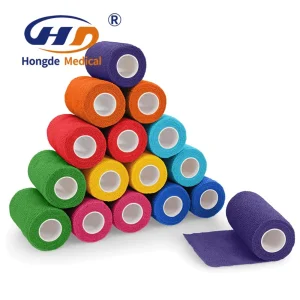
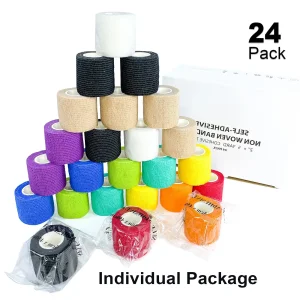
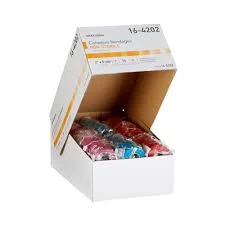
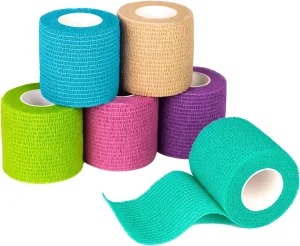
Renovera Medical offers a comprehensive range of products, including elastic bandages, gauze dressings, compression bandages, sterile wound dressings, and first aid supplies. Designed to support effective wound management and faster healing, its products emphasize comfort, breathability, and superior absorption performance, meeting the diverse needs of both clinical and home care applications.
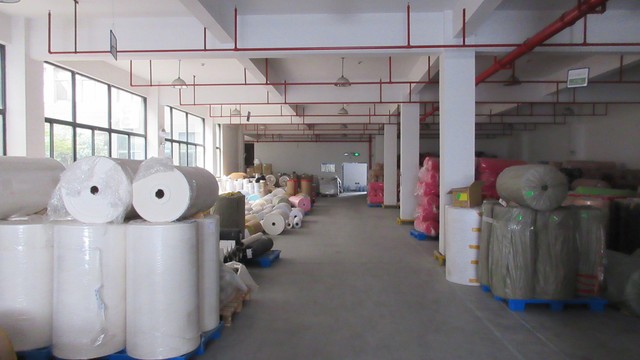
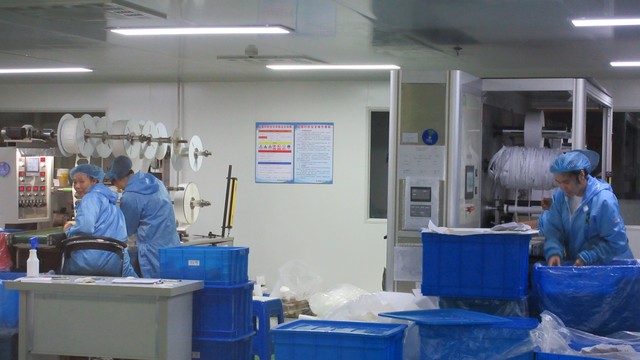
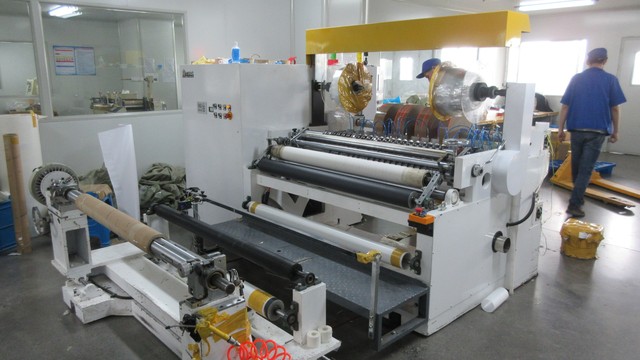
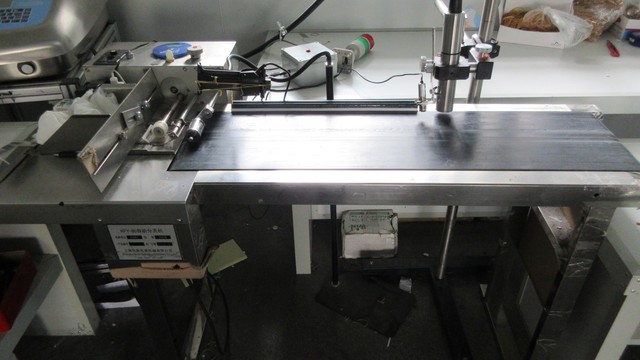
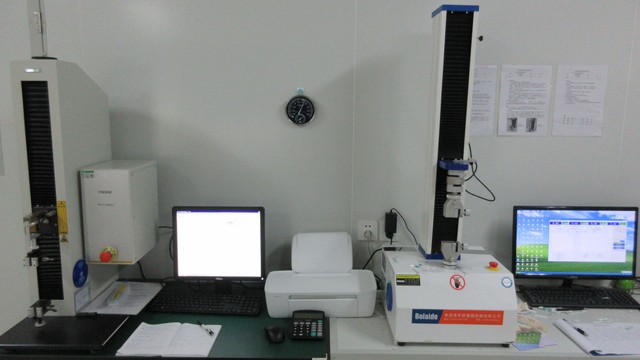
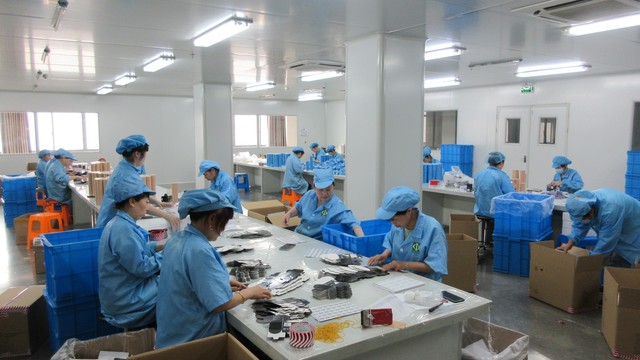
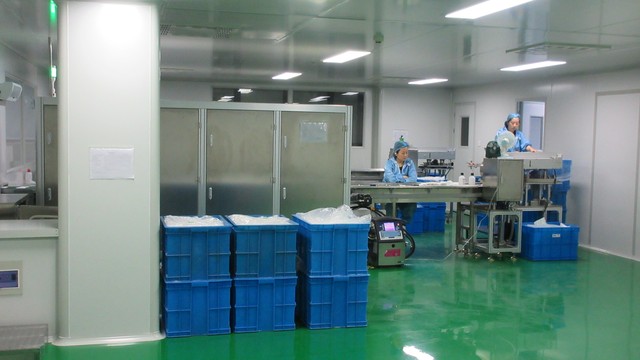
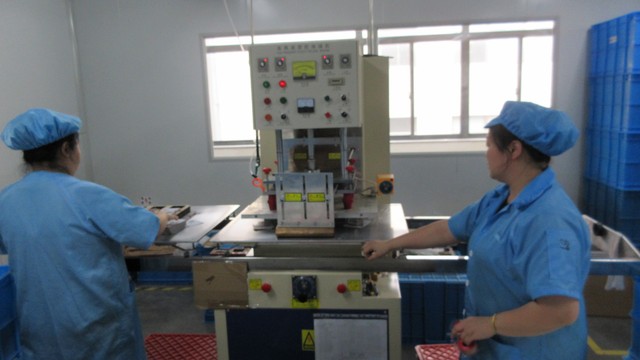
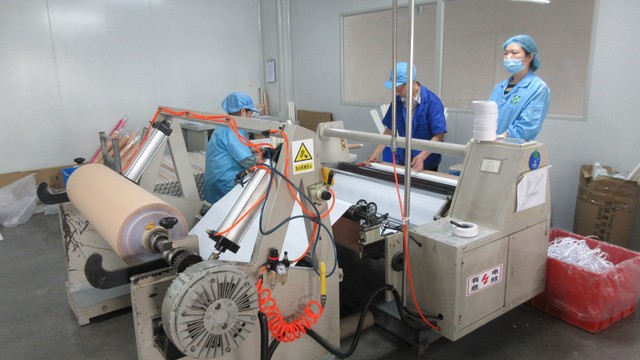
Backed by modern production facilities and a skilled R&D team, Hangzhou Renovera Medical integrates advanced materials and manufacturing technologies to ensure consistent product quality and performance. The company adheres to strict international standards and quality control systems, ensuring compliance with global healthcare regulations.
Committed to long-term partnerships, Renovera Medical provides flexible OEM/ODM services tailored to customer requirements. With a growing international presence, the company continues to deliver cost-effective, high-performance wound care products, helping improve patient outcomes and supporting the evolving needs of the global healthcare industry.
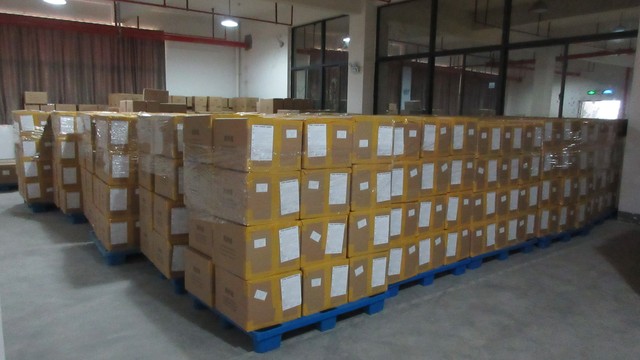
Exporting to the Democratic Republic of the Congo requires a thorough understanding of local customs procedures to avoid delays at the border. At Renovera Medical, we assist our clients throughout this process by preparing compliant documents and establishing reliable shipping routes.
All imported medical devices must be registered or declared to the Ministère de la Santé Publique (Ministry of Health) in DR Congo. Additionally, pre-shipment inspections are managed by the Office Congolais de Contrôle (OCC). We supply complete dossiers including:
We ship through several primary maritime corridors based on the buyer's geographical location:
 Renovera Medical