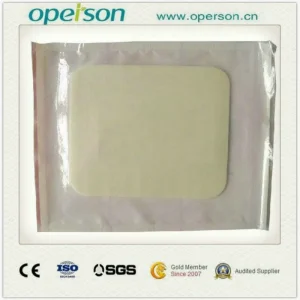
Engineered for physiological moisture balance, microbial control, and minimal trauma during dressing changes.

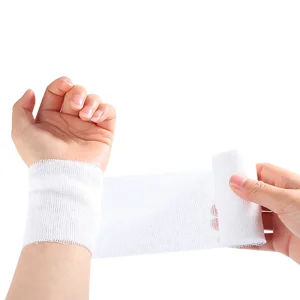
Thermal trauma remains one of the most critical and complex clinical pathologies in emergency and chronic medicine. According to World Health Organization (WHO) datasets, burn injuries account for an estimated 180,000 deaths annually, with the vast majority occurring in low- and middle-income nations, alongside substantial morbidity profiles in highly industrial economies. The therapeutic management of burn wounds requires dynamic physiological containment. This starts from emergency cooling and barrier isolation, extending through exudate control, extracellular matrix remodeling, and mechanical scar mitigation.
In modern healthcare systems, the demand has shifted from simple protection to functional biological integration. Clinical procurers and global medical brand managers require advanced polymer formulations and bio-interactive components capable of maintaining optimal moisture levels, mitigating infection risks without causing localized cytotoxicity, and reducing secondary tissue disruption during painful dressing removal procedures.
Historically pioneered by George Winter in 1962, the concept of Moist Wound Healing revolutionized clinical practices by establishing that epithelialization rates double under controlled moisture compared to dry scab formation. For burn injuries, maintaining this homeostatic balance is highly challenging due to high exuded fluid volumes, cellular degradation, and vascular damage.
Super-absorbent polymer cores capture excess proteases, preventing skin maceration around the wound edge while keeping the bed moist.
Sustained-release ionic silver (Ag+) disrupts bacterial cell membrane permeability and respiration, preventing biofilm formation.
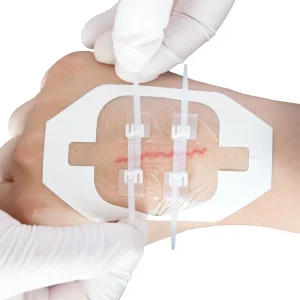
Soft medical-grade silicone adhesives conform to the micro-skin structure without bonding to raw granulation tissue, preventing epidermal peeling.
When a thermal injury compromises the dermis, local capillary beds release plasma-rich exudate containing growth factors and essential enzymes. If this fluid evaporates too quickly, cell death spreads horizontally, expanding the burn zone. Conversely, if exudate accumulates, the surrounding tissue becomes macerated. This compromises healthy skin structure and allows bacterial contamination. Renovera's advanced dressings utilize multi-layered PU film, silicone borders, and calcium alginate structures to maintain precise homeostasis.
The therapeutic effectiveness of burn care products depends on their raw material formulations. At Renovera Medical, our chemistry labs focus on three main medical-grade polymers:
Composed of cross-linked sodium carboxymethylcellulose (CMC) integrated into synthetic elastomers. Upon contact with burn exudates, the CMC particles hydrate to form a cohesive, soothing gel. This blocks pain receptors and speeds up autolytic debridement.
Utilizing platinum-catalyzed addition-cure silicone elastomers. Our formulation offers high moisture vapor transmission rates (MVTR) and gentle adhesion, adhering securely to dry skin while lifting off sensitive wound beds without causing pain.
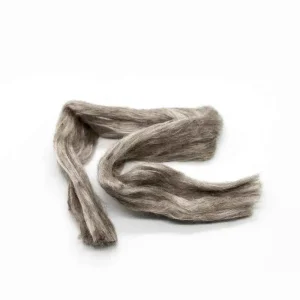
Derived from natural marine brown algae, these fibers exchange calcium ions with sodium ions in the exudate, transforming into a thick gel. The integrated silver particles release ionic silver in a controlled manner, providing reliable, broad-spectrum antimicrobial protection.
Emergency protocols and wound healing requirements vary based on the clinical environment. Renovera configures and tailors OEM formulations to meet these specific operational needs:
Requirement: High-capacity exudate absorption, barrier protection, and sterile configurations.
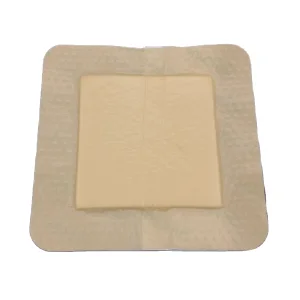
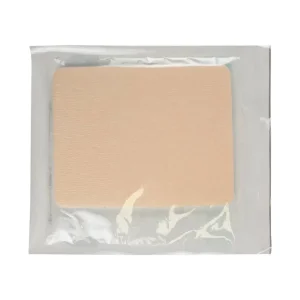
Solution: Silver-impregnated bordered silicone foam dressings that protect wounds from external bacterial contamination while managing heavy fluid drainage.
Requirement: Compact packaging, durable shelf life, resistance to extreme temperatures, and rapid application.
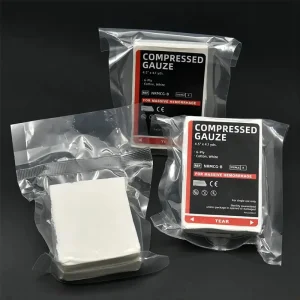
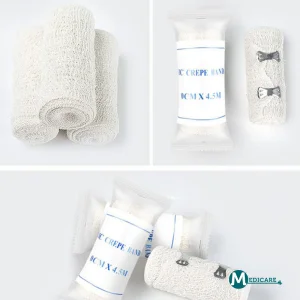
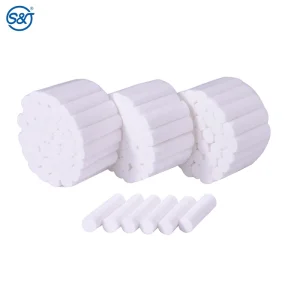
Solution: Vacuum-sealed, highly absorbent compressed cotton gauze dressings combined with flexible, cohesive stretch crepe bandages for quick compression.
Requirement: Minimizing scar tissue, soothing sensitive skin, and preventing friction.
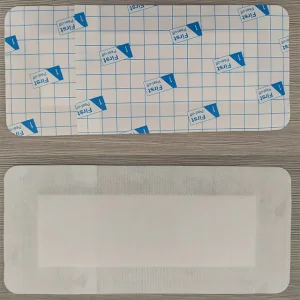
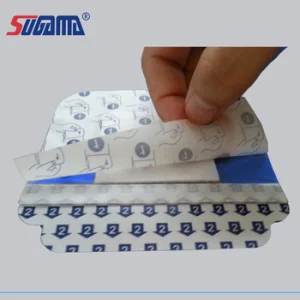
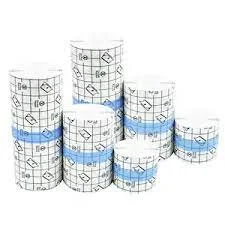
Solution: Thin, transparent hydrocolloid dressings and microfoam silicone tapes that protect regenerating tissue from physical shear forces.
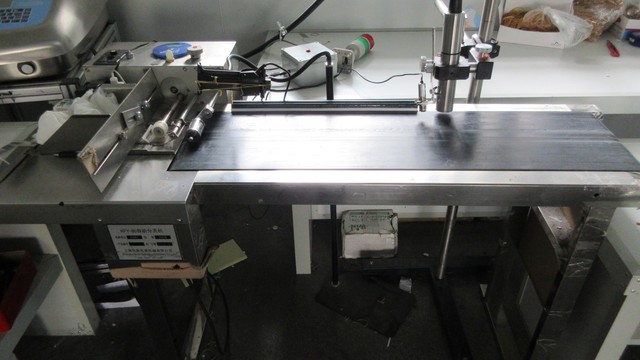
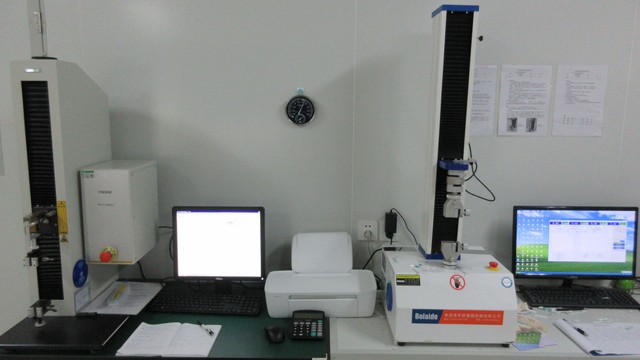
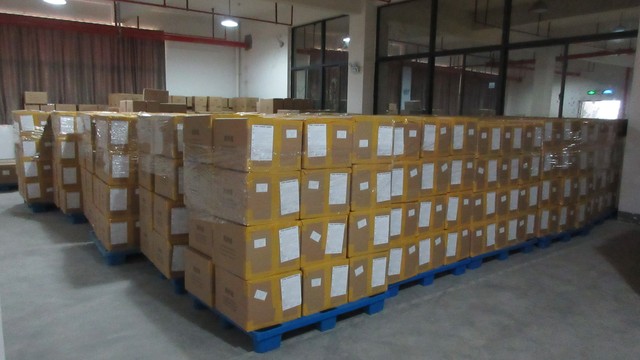
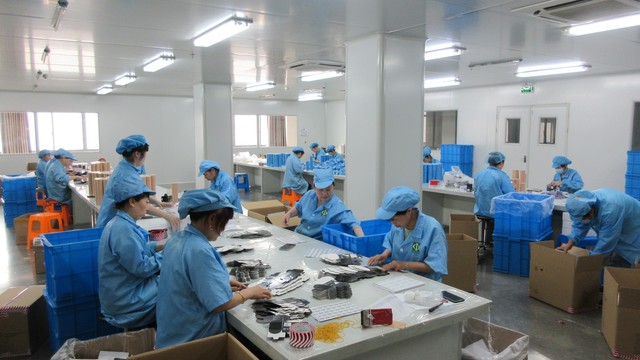
Hangzhou Renovera Medical Co., Ltd. modern manufacturing facility showcasing high-speed automated coating, sterile slitting, packaging lines, and quality control cleanrooms.
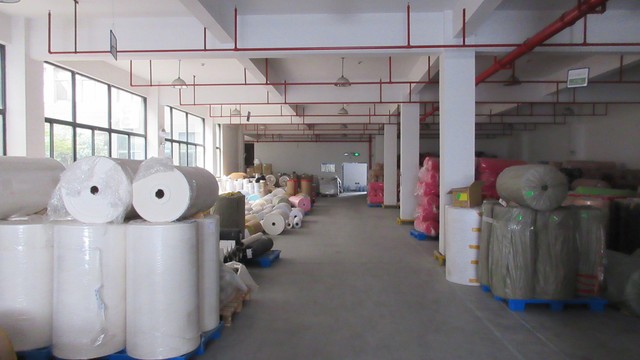
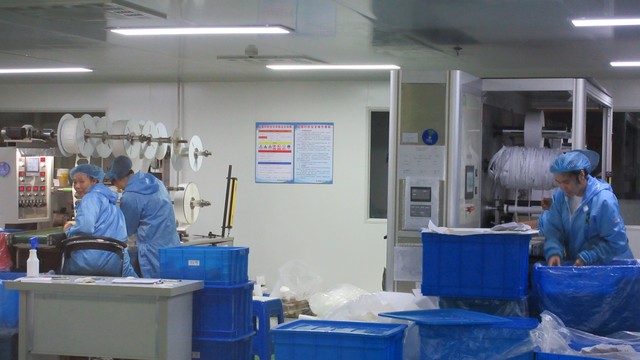
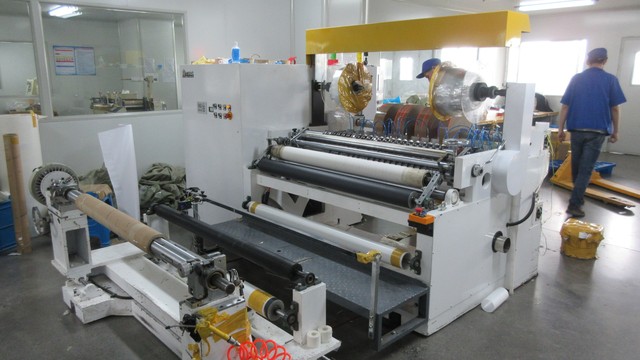
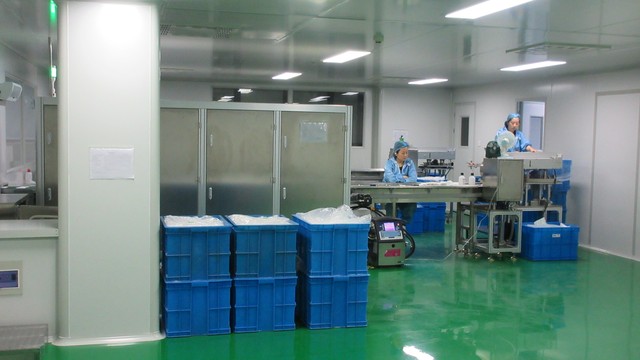
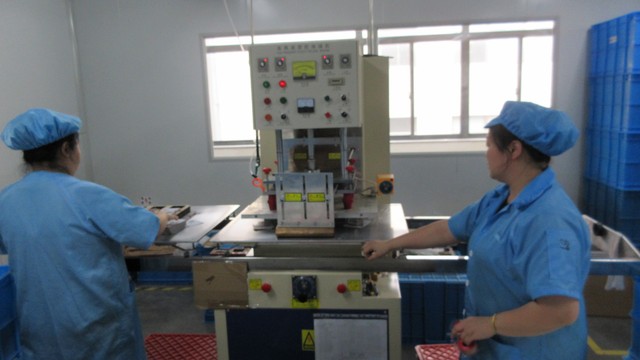
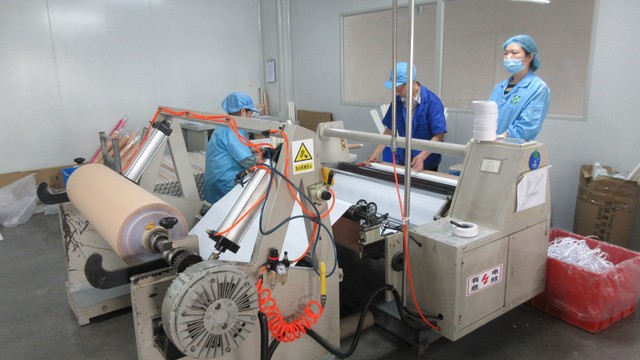
Hangzhou Renovera Medical Co., Ltd. is a professional manufacturer specializing in medical bandages and advanced wound care solutions, dedicated to providing safe, reliable, and high-quality healthcare consumables to global markets. With a strong focus on innovation and patient-centered care, the company serves hospitals, clinics, pharmacies, and distributors worldwide.
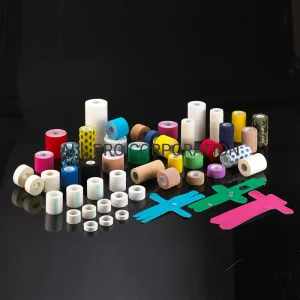
Renovera Medical offers a comprehensive range of products, including elastic bandages, gauze dressings, compression bandages, sterile wound dressings, and first aid supplies. Designed to support effective wound management and faster healing, its products emphasize comfort, breathability, and superior absorption performance, meeting the diverse needs of both clinical and home care applications.
Backed by modern production facilities and a skilled R&D team, Hangzhou Renovera Medical integrates advanced materials and manufacturing technologies to ensure consistent product quality and performance. The company adheres to strict international standards and quality control systems, ensuring compliance with global healthcare regulations. Committed to long-term partnerships, Renovera Medical provides flexible OEM/ODM services tailored to customer requirements. With a growing international presence, the company continues to deliver cost-effective, high-performance wound care products, helping improve patient outcomes and supporting the evolving needs of the global healthcare industry.
In the global medical supplies sector, supply chain consistency is critical. Disruptions can directly impact hospital operations and patient care. Located in Hangzhou, China, Renovera Medical utilizes a robust local manufacturing infrastructure to offer distinct logistical and cost benefits to international buyers:
Our factory is located near major petrochemical and polymer refinement hubs in eastern China. This ensures a steady supply of medical-grade PU films, silicone polymers, and cotton raw materials, insulating our production schedules from market fluctuations.
By integrating automated cutting, coating, packaging, and in-line visual inspection, we reduce manual handling. This lowers production costs, eliminates human error, and ensures consistent quality.
Our facility near Ningbo and Shanghai Ports enables direct transport links. This allows us to dispatch consolidated containers quickly, shortening lead times for global sea freight.
Wound care technology continues to evolve, moving toward active healing and bio-interactive solutions. Renovera Medical's long-term R&D roadmap focuses on three main development phases:
Integrating antimicrobial silver, zinc oxide, and anti-scarring botanicals into foam and hydrocolloid dressings to support continuous tissue healing.
Developing dressings with microfluidic indicators that change color to show shifts in pH, helping clinicians monitor wound progression without removing the dressing.
Creating biocompatible, electrospun nanofibers that dissolve naturally over time, eliminating the need for dressing changes on fragile, regenerating skin.
Medical products require strict compliance with international safety and quality standards. Renovera Medical maintains detailed records and certificates to ensure smooth customs clearance and regulatory approval in key markets:
Our quality management system is certified to ISO 13485, ensuring traceablity and control from raw material inspection through to final shipment.
We supply products complying with FDA regulations, facilitating smooth imports and compliance verification for US medical distributors.
Our products conform to the European Medical Device Regulation (MDR 2017/745), ensuring alignment with European health and safety requirements.
Every production batch undergoes comprehensive quality testing, including cytotoxicity, skin irritation, sensitization, moisture vapor transmission rates (MVTR), and tensile strength testing. This thorough verification process ensures that each dressing performs reliably in high-stakes clinical applications.
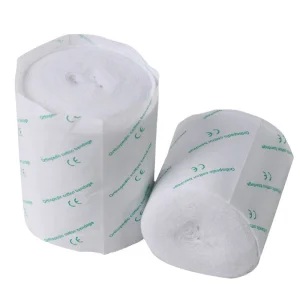
High-absorption alginates, orthopedic casting solutions, and conforming wraps for comprehensive clinical care.
 Renovera Medical