In the complex world of healthcare, ensuring the safety and efficacy of medical supplies is paramount. As such, understanding what certifications are required for medical supplies is crucial for manufacturers, suppliers, and healthcare providers alike. The right certifications can help safeguard patient health, improve product quality, and enhance trust in medical systems.
Various regulatory bodies govern these certifications. These organizations set the standards that medical supplies must meet. For instance, the Food and Drug Administration (FDA) in the United States requires specific approvals for medical devices and equipment. Compliance with these guidelines is essential, yet many small manufacturers struggle to navigate this intricate landscape.
Without adequate certification, the risks associated with medical supplies increase significantly. Misinformation can lead to poor decisions and potential harm. Healthcare professionals must be informed about what certifications are required for medical supplies. Ultimately, the goal is to enhance patient protection and ensure that all medical products meet the highest safety standards. Knowing and understanding these requirements can make a difference in patient outcomes.
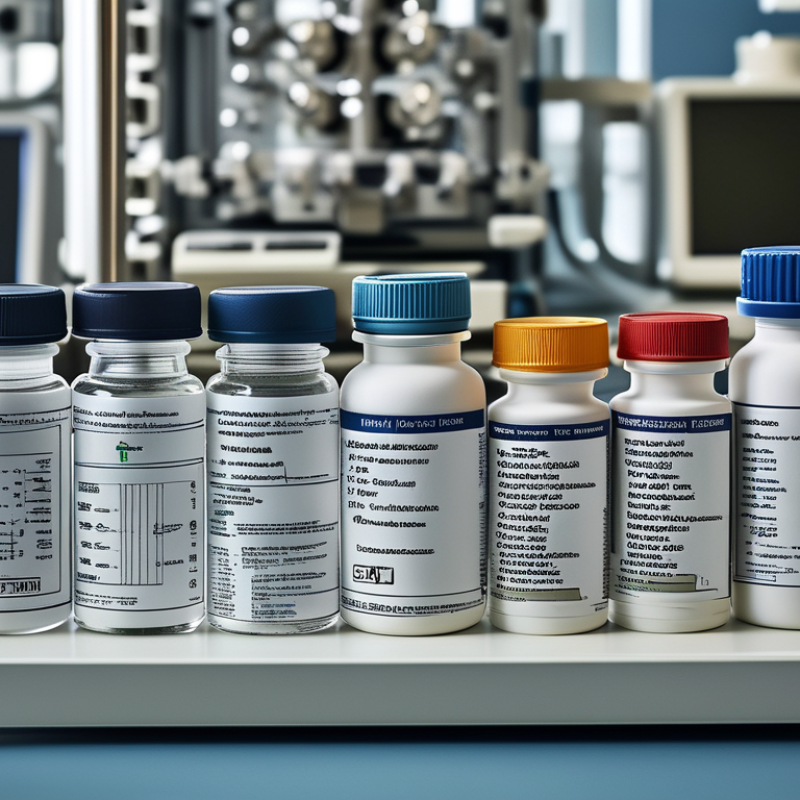
Medical supplies play a crucial role in healthcare delivery. From basic first aid items to complex surgical instruments, these supplies directly impact patient outcomes. Their importance cannot be overstated. High-quality supplies ensure effective treatment and enhance safety for patients and healthcare providers alike.
The healthcare industry faces numerous challenges regarding the distribution and regulation of medical supplies. As needs evolve, maintaining rigorous standards becomes essential. Each type of supply, whether it's gloves or advanced monitoring equipment, requires specific certifications to ensure reliability. However, not all manufacturers prioritize these certifications. This can lead to discrepancies in quality and safety.
In an era marked by rapid innovation, it is vital to continuously reevaluate the criteria producers adhere to. Some manufacturers may neglect essential regulations, resulting in substandard products reaching the market. This potential for compromise underscores the need for vigilance and responsibility in the supply chain. It's imperative to foster a culture of compliance and accountability in the medical supply industry, as lives depend on it.
The regulation of medical supplies is critical for ensuring safety and efficacy. Various regulatory bodies oversee certification processes in different regions. In the United States, the Food and Drug Administration (FDA) plays a pivotal role. It evaluates medical devices and supplies before they enter the market. The FDA categorizes items based on risk, determining the level of scrutiny required.
In Europe, medical supplies must comply with the Medical Device Regulation (MDR). This regulation enforces strict guidelines and mandates that a Notified Body must assess products before certification. These organizations ensure compliance with safety standards. With the introduction of the European Conformity (CE) mark, manufacturers signal that their products meet these standards.
Certification processes can be complex and time-consuming. Some manufacturers may struggle to meet regulatory requirements. Misunderstanding guidelines can lead to delays, impacting market entry. Continuous education and collaboration with experts are essential for navigating this landscape. The need for oversight cannot be overstated, but the certification process should also adapt to innovations in medical technology. Reflecting on these challenges helps ensure a sustainable future in medical supply certifications.
When it comes to medical devices and equipment, certifications play a vital role. Different types of certifications ensure safety and efficacy. In the United States, the FDA oversees many of these requirements. Devices must meet specific standards before gaining approval. This process can be complex and time-consuming. Companies must be prepared for rigorous quality assessments.
ISO certifications are equally important. The ISO 13485 standard focuses on quality management systems for medical devices. Companies seeking this certification must demonstrate their commitment to quality. Compliance with ISO standards can enhance marketability. It also instills confidence among healthcare providers and patients alike.
Navigating these certifications isn’t always straightforward. Companies may face numerous challenges during application processes. Some might struggle with documentation or fail to meet stringent quality requirements. Understanding the nuances of each certification is crucial for success. This knowledge can prevent costly setbacks and delays in bringing vital products to market.
The compliance with safety and quality standards is critical for medical supplies. A report by the World Health Organization states that ensuring safety can minimize patient risks significantly. Compliance relies on certifications, which vary by region and product type.
In the United States, the FDA enforces stringent regulations for medical devices. Manufacturers must demonstrate their products meet specific safety criteria. In Europe, the CE marking signifies compliance with EU regulations. Both certifications require rigorous testing and documentation, aimed at upholding patient safety. Studies show that non-compliance can lead to product recalls, impacting healthcare delivery negatively.
Research shows that about 50% of medical devices require design changes to meet compliance standards. These changes often occur after initial testing, and this reflects a systemic issue within the industry. Furthermore, the increasing global demand for medical supplies puts pressure on manufacturers to ensure products are safe and effective. Inadequate compliance can jeopardize patient health and undermine trust in medical systems.
Obtaining certifications for medical supplies is a detailed process. The first step is understanding the specific certifications required in the industry. The FDA is pivotal in the U.S., overseeing the approval of medical devices and supplies. In 2022, about 20% of applications faced delays due to inadequate documentation. This indicates a critical need for thorough preparation.
Complete and clear documentation is essential. Companies often struggle with this aspect. Common issues include missing design specifications and incomplete testing data. Research shows that up to 30% of submissions are returned for modifications. This can extend the time to market, which directly affects patient outcomes.
Moreover, collaborating with regulatory experts can streamline the process. These professionals provide insights into compliance requirements that are constantly evolving. A study published in 2021 highlights that companies using expert consultations reduced certification time by an average of 15%. Continuous learning and adaptation to regulatory standards are crucial for success in this ever-changing landscape.
play in medical supplies certification?
Europe requires medical supplies to comply with the Medical Device Regulation, assessed by a Notified Body.
The CE mark indicates that a product meets European safety standards for medical supplies.
Clear documentation is essential; incomplete submissions can lead to significant delays in market entry.
Manufacturers often struggle with missing specifications and incomplete testing data, which can halt progress.
Regulatory experts can provide crucial insights, reducing certification time and improving compliance.
Delays can significantly affect patient outcomes by postponing access to essential medical supplies.
Up to 30% of submissions are returned due to inadequate documentation, affecting overall efficiency.
Continuous education and collaboration with experts can help navigate evolving regulatory requirements more effectively.
Companies should assess past challenges and adapt processes to improve future certification success rates.
The article "What Certifications Are Required for Medical Supplies?" provides a comprehensive overview of the regulatory landscape governing medical supplies and their critical importance in healthcare. It outlines key regulatory bodies responsible for the certification process, emphasizing the need for compliance with safety and quality standards. Essential certifications for medical devices and equipment are detailed, highlighting the necessary steps to ensure these products meet stringent regulatory requirements.
Moreover, the article describes the intricate process of obtaining certifications for medical supplies, which involves rigorous testing and documentation to demonstrate safety and effectiveness. By understanding what certifications are required for medical supplies, manufacturers can better navigate the certification landscape and ensure their products are compliant, ultimately contributing to improved patient safety and care.
Renovera Medical