Moisture balance plays a pivotal role in effective wound care. Understanding why is moisture balance important in wound care can significantly impact healing outcomes. Research indicates that chronic wounds affect nearly 6.5 million patients annually in the United States alone. Poor moisture management may lead to prolonged healing times and increased infection rates.
Moist environments facilitate cellular processes. They promote granulation tissue formation and help in the removal of dead tissue. Studies show that maintaining optimal moisture levels can reduce pain and discomfort for patients, which contributes to a better quality of life. Yet, achieving the perfect balance is a challenge. Too much moisture can cause maceration, while too little can lead to desiccation.
Healthcare professionals increasingly emphasize the importance of individualized moisture management strategies. However, understanding moisture balance remains inconsistent across practices. Debate continues on best practices, and improvement is needed in education and training. As the field evolves, it becomes critical to focus on evidence-based approaches to enhance wound care outcomes for patients.
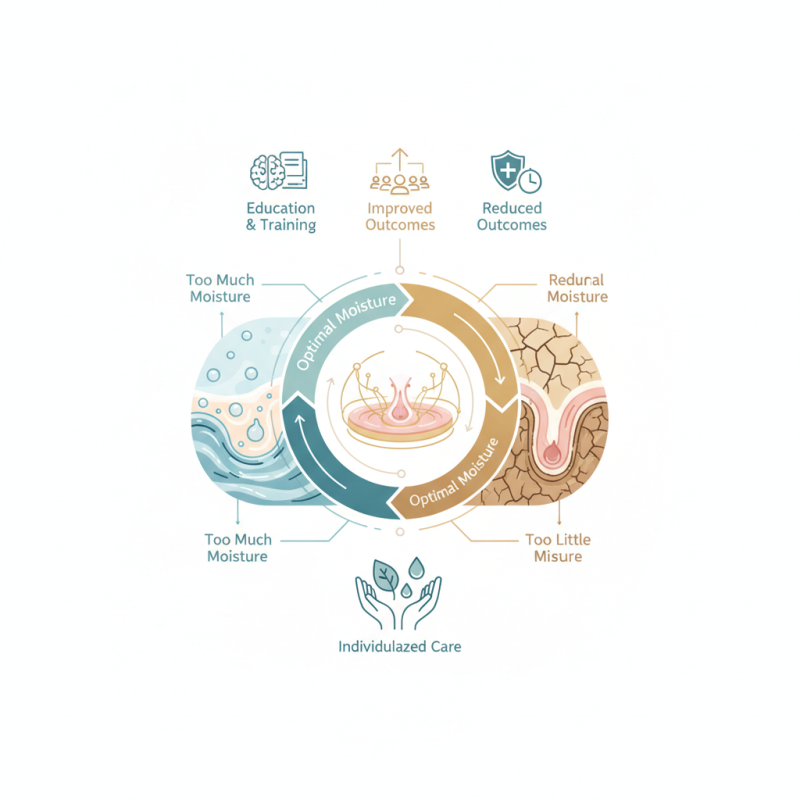
Importance of Moisture Balance in Wound Healing: An Overview
Maintaining the right moisture balance is vital for wound healing. A study published in the Journal of Wound Care indicated that wounds in a moist environment can heal up to 50% faster than those left dry. Moisture facilitates cellular migration and increases the activity of growth factors, essential for tissue regeneration.
Excess moisture can lead to maceration, complicating the healing process. This condition disrupts the skin barrier, making it vulnerable to infections. According to a report by the World Health Organization, infected wounds can increase healing times by 50%. Therefore, striking a balance is paramount.
Healthcare professionals often rely on data from clinical studies to guide their approach to wound care, emphasizing the need for tailored moisture management strategies.
In practice, achieving optimal moisture levels can be challenging. Factors such as temperature and humidity can influence wound conditions. Professionals must remain vigilant. Regular assessments are crucial to avoid complications. Adopting a proactive stance can significantly enhance patient outcomes. Data-driven approaches are necessary, but individual patient needs cannot be overlooked.
Impact of Excessive Moisture on Wound Complications and Infection Rates
Moisture balance plays a pivotal role in wound care. Excessive moisture in wounds can lead to complications and increased infection rates. According to research, moist environments can foster bacterial growth, leading to infections in 25% to 50% of cases. The National Institutes of Health reported that overly moist wounds can significantly delay the healing process, extending recovery by weeks.
Wounds that are too moist often cause maceration. This condition can damage the surrounding skin, making it more vulnerable to infection. A study showed that patients with excess drainage experienced a 60% higher rate of infection. Even common organisms can take advantage of this environment, complicating wound healing efforts.
Tips:
Keep a close eye on moisture levels. Use absorbent dressings if drainage is high. Regularly inspect wounds for any signs of maceration or infection. Adjust your wound care protocol based on these observations.
Remember, a balanced approach is key. Not every wound will behave the same. Sometimes, even with perfect care, complications may arise. Consistently reevaluating the situation can ultimately lead to better outcomes.
Impact of Moisture on Wound Healing
This bar chart illustrates the correlation between moisture levels and wound complications, showcasing the increase in infection rates with excessive moisture.
Consequences of Dry Wounds: Delayed Healing and Increased Pain
Moisture balance is pivotal in wound care. Dry wounds often lead to complications. Research indicates that wounds lacking moisture can heal 50% slower. When the skin dries out, it can crack and become painful. This pain can deter patients from moving normally, prolonging recovery.
Inadequate moisture not only slows healing but increases infection risk. The body's natural healing process relies heavily on a moist environment. A study by the National Institutes of Health found that dry wounds are associated with a 25% increase in infection rates. These infections complicate the healing journey, often requiring additional treatments.
Education on proper wound care is essential. Many caregivers may not realize the importance of keeping wounds moist. It is vital to assess the specific needs of each wound. Understanding that dry conditions can worsen pain and delay recovery is crucial. Optimizing moisture levels can be a simple yet effective solution in wound management.
Optimal Moisture Levels: Evidence-Based Guidelines for Wound Management
Maintaining optimal moisture levels is pivotal for effective wound management. The skin's healing process thrives on a balanced moisture environment. According to the Wound Care Evidence Review, maintaining moisture can accelerate healing time by up to 50%. Insufficient moisture may lead to desiccation, resulting in increased pain and risk of infection. A moist environment promotes cell migration and growth, which are essential for skin regeneration.
Research indicates that excessively dry wounds heal slower. Conversely, overly moist wounds can lead to maceration and delayed healing. The ideal moisture level aids in creating a protective barrier while allowing necessary nutrients to reach the wound site. Techniques such as hydrocolloid dressings provide a controlled moisture level, yet not all practitioners utilize them effectively. This inconsistency may stem from a lack of understanding or access to training on best practices in moisture management.
Wound assessment tools highlight the need for a balance between wet and dry states. However, practitioners often face challenges in identifying the right moisture level. Inexperienced clinicians may default to traditional dressings that do not address moisture needs. Proper education and adherence to evidence-based guidelines are vital. Promoting optimal moisture levels not only enhances healing but also significantly improves patient comfort and outcomes.
Innovative Products and Technologies for Maintaining Moisture Balance in Wounds
Maintaining moisture balance in wound care is essential for healing. Innovative products and technologies are at the forefront of this challenge. Advanced hydrogels, for example, can absorb excess fluid while providing hydration to the wound. This dual action helps create an optimal healing environment.
Additionally, semi-permeable dressings allow for gas exchange while retaining moisture. These dressings help prevent the formation of scabs, which can hinder recovery. Emerging technologies like smart bandages are also gaining attention. They can monitor moisture levels in real-time, alerting healthcare providers when intervention is needed.
Despite these advancements, challenges remain. Not all wounds respond the same way to moisture management. In some cases, excessive moisture can lead to maceration. Practitioners must stay vigilant, assessing each wound's specific needs. This ongoing evaluation is key to effective care. Continuous education in wound management technologies is vital for healthcare professionals. Understanding the pros and cons of each product will lead to better outcomes.
Why Is Moisture Balance Crucial for Effective Wound Care?
| Moisture Level |
Wound Healing Phase |
Recommended Products |
Benefits |
| Optimal |
Proliferative |
Hydrocolloid Dressings |
Promotes granulation, reduces pain |
| Excessive |
Inflammatory |
Foam Dressings |
Absorbs exudate, protects surrounding skin |
| Dry |
Remodeling |
Hydrogels |
Moisture delivery, facilitates autolytic debridement |
Conclusion
Moisture balance is crucial for effective wound care due to its significant impact on the healing process. An optimal moisture environment promotes cell migration and reduces the risk of tissue damage, thereby accelerating recovery. Conversely, excessive moisture can lead to complications such as maceration and infections, while dry wounds can result in delayed healing and increased pain. Understanding why moisture balance is important in wound care allows healthcare providers to implement evidence-based guidelines that emphasize maintaining optimal moisture levels, ultimately enhancing patient outcomes.
Innovative products and technologies have emerged to assist in achieving the desired moisture balance in wounds. These solutions help to create a conducive environment for healing, minimizing complications associated with both excessive wetness and dryness. By focusing on moisture management, practitioners can significantly improve the effectiveness of wound care strategies and ensure better recovery experiences for patients.

 Renovera Medical